Gears of War: E-Day Sold 400,000 Copies in Under a Month, But That Might Not Be Anywhere Near Enough: Is the Xbox Flagship Headed for a $500 Million Problem?
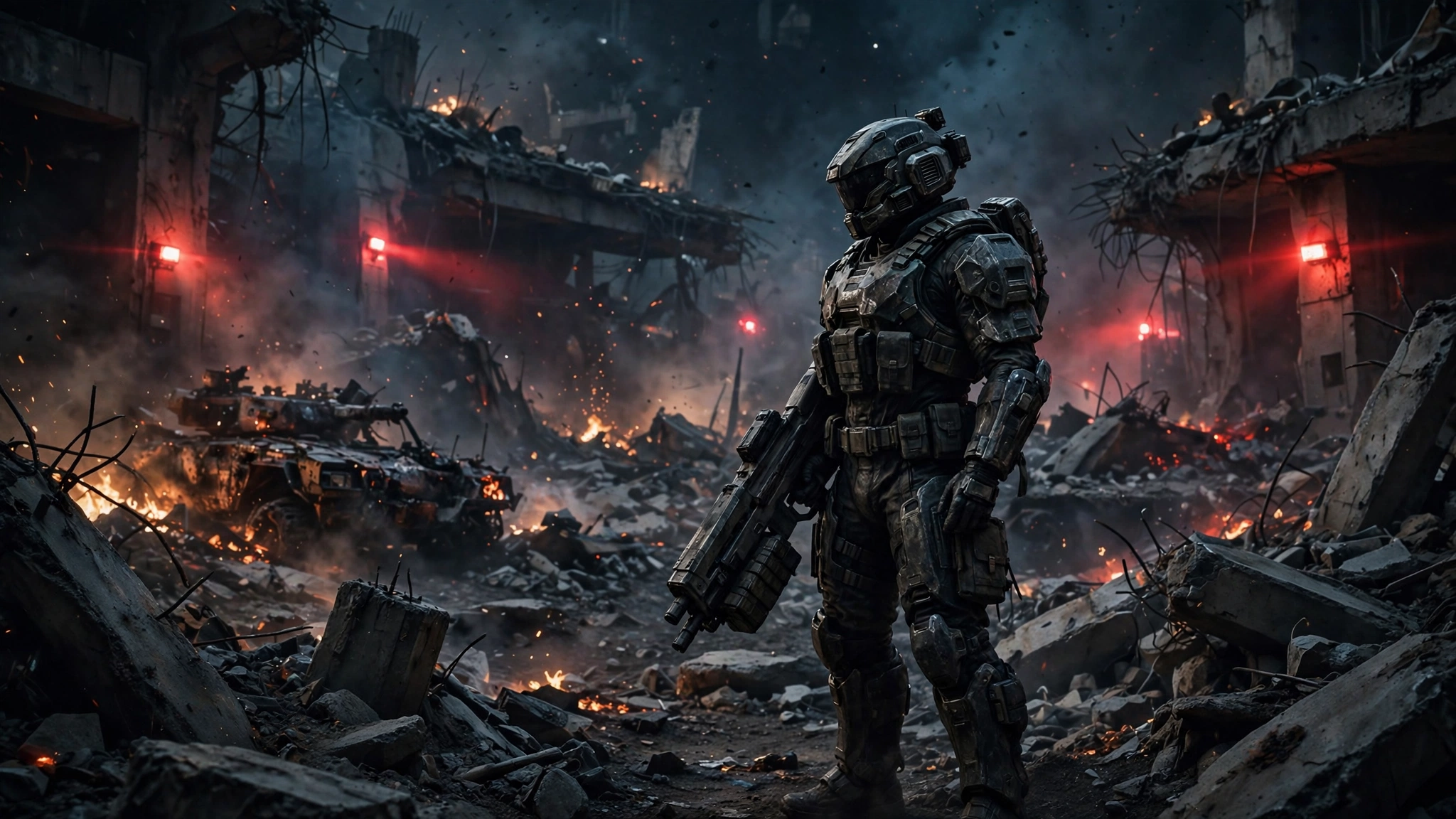
Gears of War: E-Day launched on October 6 for PC and Xbox to positive reviews, and on the surface it looks like a success story. More than 400,000 copies sold in under a month sounds great. But beneath that number sits a figure that changes the whole picture: roughly $500 million in development costs, according to one report. If that is true, E-Day could be on track to become one of the most expensive commercial disappointments in Xbox history, despite selling well by normal standards.
If you have been following the story and wondering how 400,000 sales can possibly be bad news, this guide breaks it down: how many copies E-Day actually sold, what the $500 million figure means, the break-even math, whether Game Pass changes the picture, and what it all means for the franchise and for Xbox.
The 400,000 Copies Everyone Keeps Quoting
Let us start with the good news. According to The Verge’s Tom Warren, more than 400,000 units of Gears of War: E-Day have been sold since launch, with those numbers covering both Xbox and Steam. That is a solid opening month for a franchise reboot, and the positive reviews back it up.
Context matters here. A reboot of a beloved series that sells 400,000 copies in under a month would normally be cause for celebration at the studio. Players are showing up, reviews are positive, and the core audience is engaged. Unfortunately, that is only part of the story. According to multiple sources, these sales may be a drop in the bucket compared to what the game actually needs to earn to cover its development costs.
The Half-Billion-Dollar Claim
One source, Jason Schreier, claims that roughly $500 million, yes, half a billion dollars, was spent on getting Gears of War: E-Day out the door. That number needs a big caveat: it is a reported claim, not a figure Microsoft has confirmed. Game budgets are among the most closely guarded secrets in the industry, and reported figures can include or exclude marketing, years of pre-production, and shared engine work depending on who is doing the counting.
Still, even if the real number is meaningfully lower, the order of magnitude is what matters. A budget anywhere near this range puts E-Day in the most expensive tier of game development ever attempted. We will take the reported number with the usual grain of salt, but let us run the math the way The FPS Review did, because the result is genuinely startling.
The Break-Even Math, Step by Step
The game sells for either $69.99 (standard) or $99.99 (Premium Edition). Here is what the reported sales translate to:
- 400,000 copies at the base price works out to roughly $27,996,000 in gross revenue
- If every single buyer had picked the Premium Edition, a wildly unlikely scenario, the total would be about $39,996,000
- To cover a $500 million budget, Microsoft would need to sell somewhere in the area of 5 million copies at full price
That means E-Day would need to multiply its current sales by more than ten just to break even. That is not a gap you close with a holiday sale.
And those revenue figures are gross, not net. Before Microsoft sees a dollar, platform holders take their cut of every digital sale, taxes come off, and refunds and chargebacks eat into the total. Regional pricing means not every copy sells at the US sticker price either. The actual money flowing back to the publisher per copy is always lower than the price on the store page, which makes the real break-even point even further away than the simple math suggests.
How Games End Up Costing This Much
Half a billion dollars sounds absurd until you look at how modern AAA games get made. The biggest cost is people: a flagship title can keep hundreds of developers, artists, animators, writers, and QA testers employed for four, five, or six years. Salaries and benefits for a team that size, sustained over that long, add up to staggering totals before a single line of marketing is bought.
Then comes the rest of the bill:
- Marketing and launch spend: trailers, events, advertising, and influencer campaigns for a global launch are a major budget line of their own
- Technology: engine licensing or in-house engine development, motion capture, voice acting, and orchestral scores all cost real money
- Live support: patches, servers, and post-launch content keep costing money after release day
- Time: every extra year of development is another year of full payroll, which is why delayed games get so expensive
This is the trap the whole industry is in. Each generation, players expect bigger worlds and better graphics, which takes bigger teams and longer schedules, which raises the break-even bar, which makes anything short of a mega-hit look like a failure. E-Day did not invent this cycle. It may just be its most dramatic recent example.
What If Game Pass Changed the Math Entirely?
Here is where it gets interesting. The speculation above treats E-Day like a traditional retail product, but it launched into the Game Pass ecosystem. Millions of players may be playing E-Day right now without buying a single copy, and Microsoft’s accountants do not value a Game Pass subscriber the same way they value a $70 sale.
So is the break-even math even the right way to think about this? This part is speculation on our end, but it is worth asking: does Microsoft consider E-Day a $500 million bet on keeping players subscribed, rather than a product that needs to sell 5 million copies? If so, the sales numbers everyone is quoting might be measuring the wrong thing entirely.
A subscription-first view changes the scorecard. Under that lens, what matters is whether E-Day drives new Game Pass signups, keeps existing subscribers from cancelling, and raises the perceived value of the service. A player who stays subscribed for an extra six months because of E-Day is worth real recurring money that never shows up in a copies-sold figure.
Still, even under the most generous interpretation, half a billion dollars is an enormous bet. There is no subscription model creative enough to make that number small. Game Pass softens the math. It does not erase it.
The Warning Sign From Inside Xbox
E-Day’s story fits a pattern people inside Xbox are now talking about openly. Wccftech reported that South of Midnight director David Sears admitted he probably would not have funded his own game if he had been the publisher, calling Xbox’s seemingly limitless funding “unsustainable” in hindsight.
That is a remarkable admission. When the people making the games start saying the budgets were never sustainable, it suggests the reckoning is not just a media narrative. It is a view forming inside the studios themselves. Microsoft and Sony have both drifted back toward console-exclusive strategies, and both companies have slates of exclusives lined up for 2027 and 2028, with budgets that only seem to be going up.
What This Means for PC Gamers
For those of us on PC, this matters for a few reasons. First, The Coalition is one of the most technically talented studios making PC shooters right now, and a project that cannot pay for itself puts that studio’s future in question. Studios do not get unlimited chances at this budget level. One underperforming mega-project can mean cancelled sequels, restructured teams, or a pivot to safer bets.
Second, the funding climate affects what games get made. If half-billion-dollar budgets need 5 million full-price sales to break even, publishers will greenlight fewer risky original ideas and more guaranteed sellers. The era of the lavish single-player exclusive depends on the math working, and right now the math looks shaky.
If you are curious how the series made its way to PC in other forms, we recently covered the unofficial Xbox 360-era Gears of War PC ports that brought the classic games to modern systems.
The Verdict
So is E-Day a hit or a failure? The honest answer is that both things can be true at once. As a game, it launched to positive reviews and sold a respectable 400,000 copies in under a month. As a business, a reported $500 million budget means respectable is not nearly enough, and the gap between $28 million in gross revenue and break-even is a chasm, not a hurdle.
The Game Pass angle is the one real counterweight. If Microsoft is grading E-Day on subscriptions retained rather than copies sold, the public sales narrative may be missing the point. But that interpretation is speculation, and even the most generous version of it struggles to justify half a billion dollars.
We will be watching E-Day’s sales trajectory closely. If the numbers climb and the Game Pass engagement holds, the story could still turn. If not, E-Day will stand as the clearest warning yet that the blockbuster budget model has a ceiling, and the industry just hit it.
Source: The FPS Review