Hogwarts Legacy Gets DLSS 5 on November 5: What the Neural Rendering Update Means for You
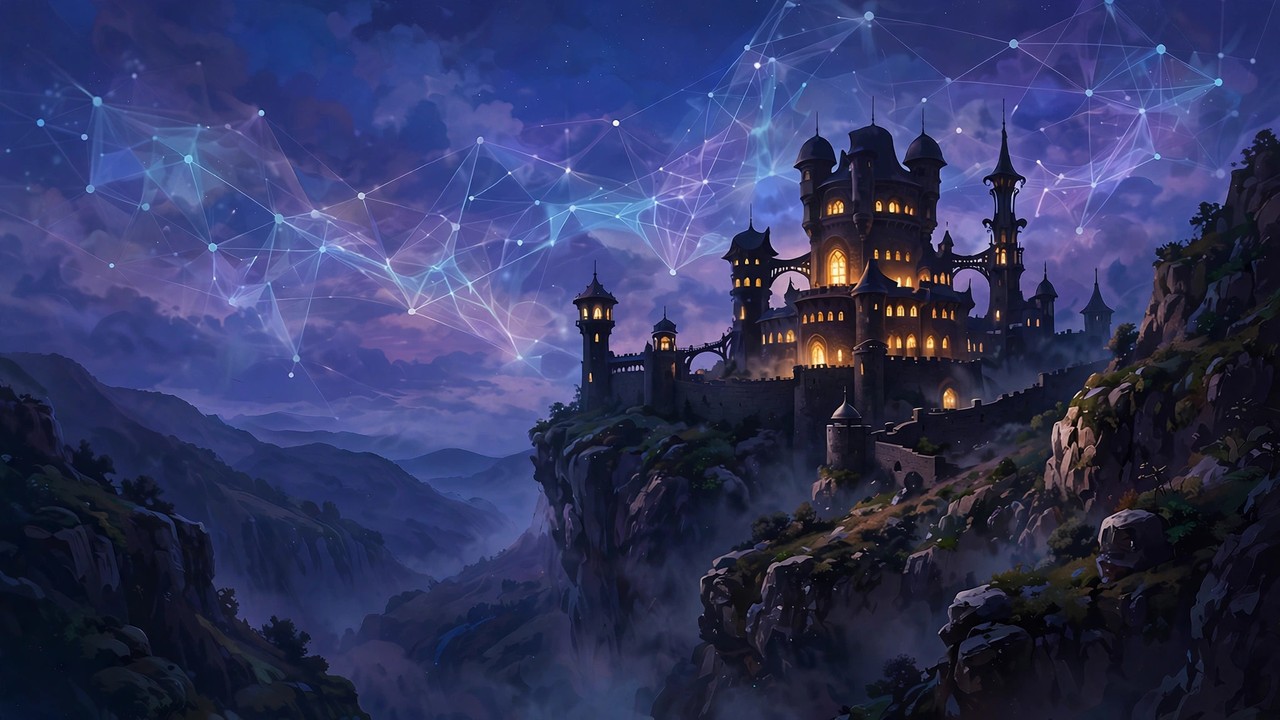
Nearly three years after release, Hogwarts Legacy is still the game we keep coming back to. We have wandered the castle halls, tamed thestrals, and pushed the graphics sliders to their limits on more than a few builds. So when we heard NVIDIA’s neural rendering tech was headed to the wizarding world, it genuinely caught our attention. On November 5, 2026, the game gets its biggest visual upgrade yet, and it does not cost a thing.
We have watched the DLSS story unfold over the years, but this one is different. DLSS 5 is not just another upscaler preset. It is NVIDIA’s neural rendering push, and Avalanche Software is baking it into a three year old open world title that more than 40 million people own. If you still have Hogwarts Legacy installed, or you have been waiting for an excuse to return, here is everything the update changes and what we think it means.
DLSS 5 Arrives on November 5
The facts, straight up. NVIDIA announced a couple of weeks ago that Hogwarts Legacy would receive the DLSS 5 treatment, and the update lands on November 5, 2026. According to The FPS Review, the patch adds DLSS Neural Rendering, which is the headline feature of DLSS 5, and upgrades the game’s other DLSS technologies to their newest versions. A set of quality of life updates ships alongside it.
Some context on the game itself. Hogwarts Legacy launched in 2023 and sold more than 12 million copies within its first two weeks, which made it one of the biggest launches of the decade. It has since sold over 40 million copies, and a sequel is in development at Avalanche Software. This is a living game with a huge installed base, which is exactly why an update like this matters.
What DLSS Neural Rendering Actually Does
We know the DLSS naming scheme has gotten confusing, so let us clear it up. DLSS 5 is NVIDIA’s neural rendering generation of the technology. Instead of only reconstructing a higher resolution image from a lower resolution input, neural rendering works inside the final rendering pipeline and uses AI to upgrade the frame the game originally rendered. NVIDIA describes the goal as infusing scenes with lifelike lighting and materials.
In plain terms, here is what that means for you:
- Lighting gets a smarter pass. The AI model refines how light interacts with surfaces in the final frame, which can make stone corridors, torchlight, and spell effects look more natural than the original 2023 render.
- Materials gain detail. Wood, fabric, metal, and skin can pick up subtler surface cues because the model was trained to understand what those materials should look like under real light.
- It builds on your existing DLSS setup. The update also brings the game’s other DLSS features up to their newest versions, so if you already play with DLSS enabled, you are getting the latest iteration of those too.
- It is not a texture pack. Nothing is being replaced wholesale. The neural rendering pass works over what the game already renders, which keeps the file size and system requirements sane.
We are deliberately avoiding specific performance claims here. NVIDIA has shared 4K comparison shots of the update, and they look promising, but every PC is different. Your mileage will depend on your GPU, your settings, and your resolution. If you want a refresher on what the various DLSS and graphics options actually do before you toggle anything, our PC graphics settings guide breaks them all down in plain language.
How Avalanche Tuned the Update for the Art Style
This is the part we find most interesting. There was real early criticism of DLSS 5 when it was first shown off. The concern was that neural rendering could push character models and scenes so far that they no longer resembled what the artists originally intended. It is a fair worry. A wizarding school full of carefully designed faces and hand tuned lighting is not something you want an AI model to freestyle over.
NVIDIA’s answer is that DLSS 5 ships with SDK controls that let developers tune the integration, and Avalanche Software has used them. The studio’s own words, via NVIDIA: “In a new update launching November 5th, DLSS Neural Rendering will be added to Hogwarts Legacy, and its other DLSS technologies upgraded to their newest versions. Avalanche Software has taken advantage of DLSS 5’s SDK controls to tune the integration to maintain the artistic intent and style of the game.”
What that tells us is that this is not a plug and play filter. Avalanche went through the game and calibrated the neural rendering pass to respect the original look. The gothic architecture, the warm common room lighting, the character designs that players have spent hundreds of hours with, all of that is meant to survive the upgrade. We think this is the right approach, and honestly it should become the standard for every neural rendering integration. Developer control over the final look is the difference between a tech showcase and a patch players actually enjoy.
What Changes for You on Day One
Let us talk practically. The update drops November 5, 2026, and here is how we would approach it:
- Update the game and your GPU driver. Grab the Hogwarts Legacy patch through your store of choice, then install the latest NVIDIA driver. New DLSS versions play best with current drivers.
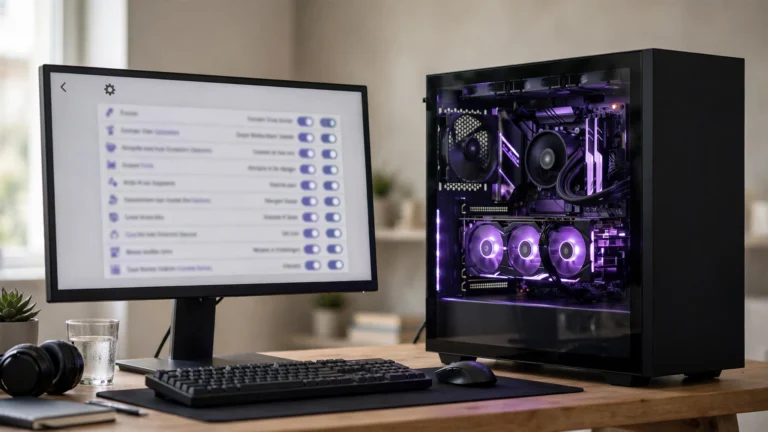
- Check the DLSS settings menu. Look for the neural rendering option and the updated DLSS versions. We recommend noting your current settings before changing anything, so you can compare fairly.
- Try it in a familiar scene first. Walk somewhere you know well, like the Great Hall or Hogsmeade at dusk, and compare. You will notice lighting and material changes faster in a place your eyes already know.
- Watch your thermals. New rendering features can shift your GPU load profile. If you have never monitored it, our guide on how to check GPU temperature shows you the easy way to keep an eye on it during your first session.
- Keep your expectations honest. Neural rendering refines the image, it does not turn a 2023 game into a 2027 one. Appreciate it for what it is: a free visual upgrade to a game you already own.
If the update brings any hiccups, stutters or frame pacing weirdness after a patch day are nothing new, our game stuttering fix guide covers the usual suspects. And if you want to squeeze every frame out of your setup around the new features, the maximum FPS settings guide is worth a look.
What If This Signals a Wave of DLSS 5 Back Catalog Updates
This section is pure speculation, so treat it as such. But we cannot help thinking about what this update represents. Hogwarts Legacy is not a new release getting DLSS 5 as a launch feature. It is a three year old game with 40 million owners getting a neural rendering retrofit. That is a statement.
Consider the timing. RTX Remix 1.6 launched in the same week, adding DLSS 5 to its feature set and handing developers the tools to implement neural rendering in their own projects. Meanwhile, Where Winds Meet is getting DLSS 5 support later in November. The pieces are falling into place for a wave, not a one off.
What if this is the start of NVIDIA’s real DLSS 5 strategy? The newest RTX cards need a showcase library, and there is no faster way to build one than retrofitting massive back catalog hits. Every game with tens of millions of players that gets a neural rendering patch becomes a walking demo for the tech. We would not be surprised to see more big open world games from the last few years follow Hogwarts Legacy’s lead in 2027.
There is a business logic to it as well. A free visual upgrade keeps a player base engaged, and an engaged player base is more likely to buy the sequel. Avalanche gets to keep Hogwarts Legacy looking modern, NVIDIA gets to show off DLSS 5 at scale, and players get a better looking game for free. When everyone wins, these things tend to repeat.
Share Your Take
We will be installing the November 5 update and putting DLSS 5 through its paces in the castle ourselves. The big questions on our mind: does the neural rendering pass genuinely preserve the art style, and do the lighting improvements hold up in motion, not just in stills? We are cautiously optimistic, especially with Avalanche tuning the integration by hand.
Now it is your turn. Are you planning to revisit Hogwarts Legacy for the DLSS 5 update, or is your playthrough long finished? Do neural rendering retrofits excite you, or would you rather studios spend that effort on new games? Drop your thoughts in the comments below. We read every one, and the best discussions always come from you.
Source: The FPS Review. All sales figures and DLSS 5 details attributed to The FPS Review and NVIDIA.