inFAMOUS First Light Unofficial PC Port Runs at a Steady 60 FPS on RX 6800
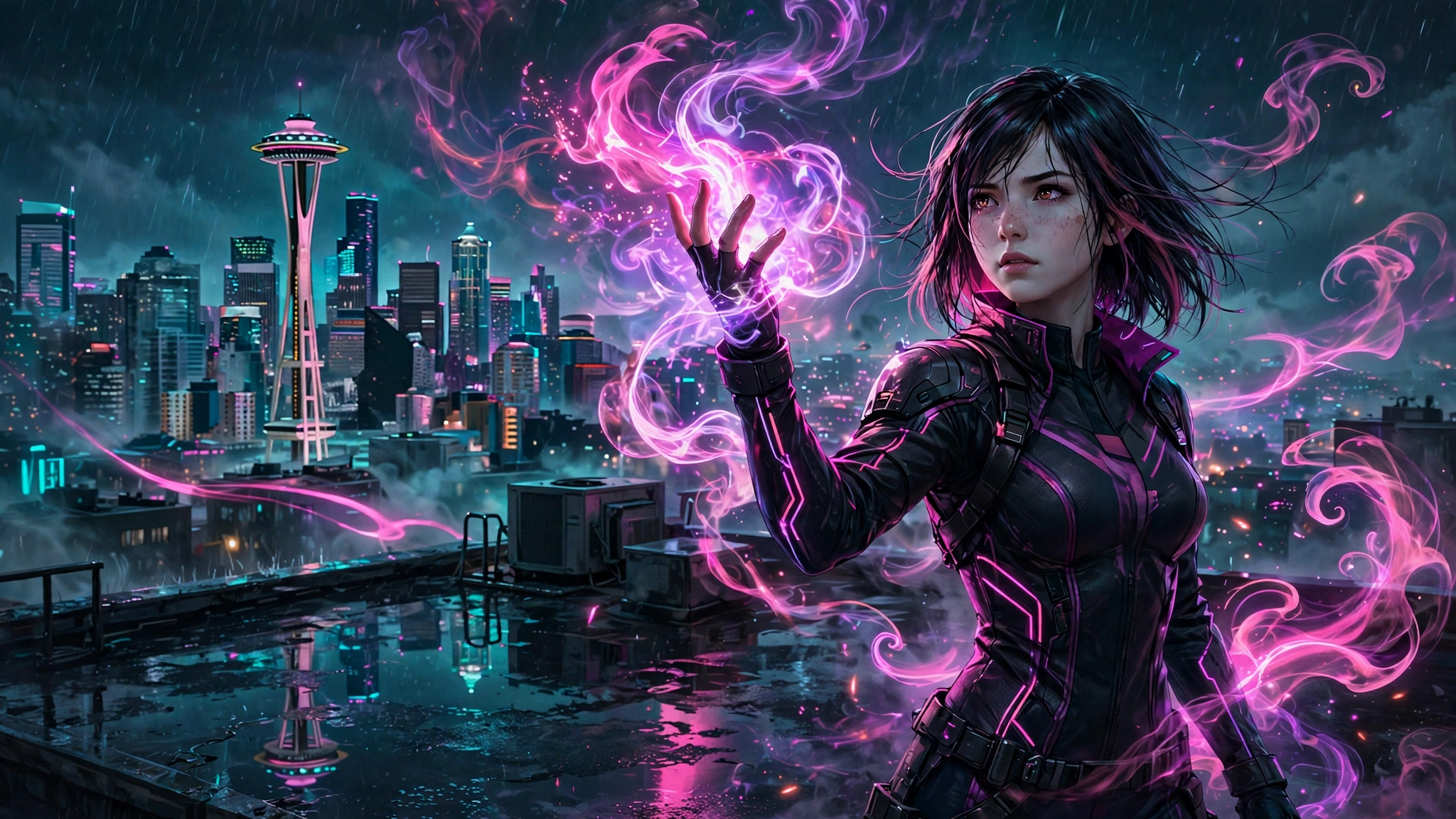
inFAMOUS fans, here is one to keep on your radar. An unofficial native PC port of inFAMOUS First Light is now running on Windows, and new footage shows it holding a steady 60 frames per second on a mid-range AMD graphics card. The PS4 exclusive from 2014 has never had an official PC version, so this fan project is the first real way to play Fetch Walker’s story on a computer.
I have followed the unofficial PC port scene closely this year, and the pattern is hard to miss. Fan developers keep rescuing console exclusives that publishers left behind, and the results keep getting better. We saw the same story with the unofficial PC port of the Zelda Ocarina of Time remake and the native PC version of Super Mario Odyssey, and now First Light joins that list. The footage looks smooth, the lighting looks right, and the project is already playable from the first missions onward.
The news comes from a report by GameGPU, published November 19, 2026, covering gameplay footage shared on Reddit. The port itself is a community project called infamous-first-light-pc, maintained on GitHub by a developer known as VantageEX. It is early, it is unofficial, and it needs a copy of the game you already own. Even with those caveats, the numbers in the footage are genuinely encouraging for a project that only went public in late October.
What the Port Is
inFAMOUS First Light is the standalone expansion to inFAMOUS Second Son, released by Sucker Punch on August 26, 2014 for PlayStation 4. You play as Abigail “Fetch” Walker, a conduit with neon powers, in a story set before the events of Second Son. The game never left PS4, and Sony has never announced a PC version.
The PC port changes that, unofficially. It is a native Windows and Linux port, not an emulator. The project runs the PS4 game’s own code directly on your CPU, using a rebuilt PS4 runtime in place of the console’s system software, with the graphics translated to the Vulkan API. That distinction matters, because it is the same approach behind the native Second Son port this project is forked from, and it is why performance can be this good on ordinary hardware.
The timeline moved fast. The first public build, version 0.1.0, appeared on October 21, 2026. Version 0.3.8 followed on October 25, 2026. The project page describes the current state as an early, playable preview: the game boots, reaches the menus and gameplay, saves, and plays through the first missions. The Reddit footage that GameGPU covered on November 19 shows how far the project has come in less than a month.
One important detail: the port ships no game files. You need a dump of your own PS4 copy of First Light to play it. The European version (CUSA00897) is the tested one, and the US version (CUSA00575) is partly supported, according to the project documentation. If you do not own the game on PS4, this port is not a way around that.
How It Runs on an RX 6800
The headline number is the frame rate. GameGPU reports that the footage shows the game running at 59 to 60 FPS on a system with an AMD Radeon RX 6800 graphics card and an Intel Core i5-12600KF processor, using the Vulkan renderer. All three clips in the footage hold that range, which suggests the game is genuinely playable at around 60 FPS on that hardware, not just hitting it in one quiet scene.
The monitoring overlay in the footage tells a fuller story than the frame counter alone. Here is what GameGPU reports from the shown scenes.
| Metric | Reported value (RX 6800 + i5-12600KF) |
|---|---|
| Frame rate | 59-60 FPS across all three shown clips |
| Graphics API | Vulkan |
| GPU temperature | 52-53 °C |
| GPU load | 45-85% depending on the scene |
| Video memory use | 7,405-8,280 MB |
| System RAM use | 15,141-16,185 MB |
| CPU temperature | 52-56 °C |
Those numbers are worth reading carefully. The GPU temperature of 52 to 53 degrees and a load that swings between 45 and 85 percent tell you the card is not being pushed to its limit. The video memory use of 7.4 to 8.3 GB is the number that stands out most, because it explains why the project documentation warns that graphics cards with only 4 GB of video memory run out of memory and crash. This is not a light port. It needs a modern card with real memory headroom.
There is one wrinkle in the performance picture. Earlier testing reported on the project’s tracking pages showed around 35 to 45 FPS at 1080p on an RTX 4070 Super with the renderer v2 build from late October, and 15 to 25 FPS on the original renderer. The November footage on the RX 6800 shows a much better result. That gap is most likely down to newer builds and the renderer work that landed after those October tests, but the two reports come from different builds, different hardware and different scenes, so treat the 60 FPS figure as what the latest footage shows, not as a promise for every PC.
Viewers in the comments also singled out the lighting quality, and GameGPU notes that a smoke flickering problem present in earlier builds has been fixed. For a game whose whole visual identity is neon light cutting through a rainy Seattle night, lighting is not a minor detail. It is the look of the game.
What You Need to Play It
The port has clear requirements, and the most important one is the game itself. Here is what the project documentation lists.
- Your own PS4 copy of inFAMOUS First Light. The port ships no game files. The European version (CUSA00897) is tested, and the US version (CUSA00575) is partly supported.
- Windows 10 or 11, 64-bit, or Linux. Steam Deck builds are also available.
- A graphics card with Vulkan 1.3 support. In practice you need more than 4 GB of video memory. Cards with 4 GB run out of memory and crash.
- A CPU with AVX support. The port runs the game’s own x86-64 code directly on your processor, so this is a hard requirement.
- 16 GB of system RAM. The footage shows the game using 15 to 16 GB, so 16 GB is effectively the floor.
- Patience on first launch. The first start compiles shaders for two to three minutes before you can play.
Players have also discussed whether the game could run on cheaper hardware, specifically a Radeon RX 6600 with a Ryzen 5 5600G at 1080p on low or medium settings. GameGPU is clear on this point: no test results for that configuration have been published. It is a reasonable question, but until someone actually tests it, the honest answer is that nobody knows. The only verified performance data so far is the RX 6800 system in the new footage and the earlier RTX 4070 Super reports.
The port also has its own launcher, which keeps First Light settings and saves separate from the Second Son port it was forked from. That matters more than it sounds. The project started as a fork of HayatoG’s Second Son port, and early users found that the two games shared settings and conflicted with each other. The dedicated launcher fixes that, and the fork adds First Light specific fixes, including occlusion and readback fixes and a fix for a renderer v2 freeze.
How the Port Actually Works
It helps to understand what “native port” means here, because it is not emulation in the usual sense. An emulator like RPCS3 or shadPS4 recreates a whole console in software and runs the game inside that recreation. This port does something different. It takes the PS4 game’s own x86-64 code and runs it directly on your PC’s CPU, while a rebuilt PS4 runtime stands in for the console’s system libraries. The graphics go through Vulkan, translated from the console’s graphics calls.
That is why the project can hit 60 FPS on a mid-range card. It is not paying the full cost of emulating a console. It is running the game’s real code on real PC hardware, with only the system layer replaced. The same approach powers the Second Son port, and the First Light fork inherits that core.
There is a catch that comes with this approach. The port is built from the Second Son codebase, and First Light runs on the same engine, so the fork works. But the two games are not identical, which is why the project exists as its own fork with its own fixes rather than a setting inside the Second Son port. The developer has been releasing builds quickly, eleven builds in the first five days after the project went public, which shows how actively the rough edges are being worked on.
What Works, and What Does Not
The honest picture is that this is an early preview, not a finished release. Here is where the project stands, based on the project documentation and the reports around it.
- Working: the game boots, reaches the menus, plays through the first missions, saves, and runs with sound. Fetch’s neon powers work, and the lighting and smoke effects look right in the new footage.
- Working, with limits: performance depends heavily on your hardware. The RX 6800 footage shows 59 to 60 FPS, but earlier builds on an RTX 4070 Super ran at 35 to 45 FPS, and slower GPUs will struggle.
- Known problems: the first start takes two to three minutes to compile shaders. Some players report crashes when setting a frame limit in the in-game menu or during shader compiling. Audio crackling has been reported, and the mouse can feel sluggish. Graphics cards with 4 GB of video memory crash.
- Not tested: the full game from start to finish. The documented state is the first missions, and later sections may have problems nobody has found yet.
That list is normal for a project that is one month old. What matters is the direction. The smoke flicker is already fixed, the frame rate has improved sharply since the October builds, and the developer is shipping fixes fast. If you try it now, go in expecting a preview. If you would rather wait, the project is worth watching for a few more weeks.
Why First Light Matters
First Light is a small game with a big reputation. It is a standalone expansion, which means you never needed Second Son to play it, and it tells a tighter, darker story than the main game. Fetch Walker became one of the most popular characters in the series, and her neon powers are the most visually striking ability set in either game. A neon-drenched Seattle at night is exactly the kind of scene that benefits from running on PC hardware with a modern renderer.
There is also a preservation angle here. First Light has been locked to PS4 since 2014. It never got a PS5 patch, and Sony has never ported it to PC, even as Second Son remains one of the most requested PC ports in the PlayStation catalog. Fan projects like this one are doing the preservation work that the publisher has not done. We saw the same pattern with the unofficial PC ports of arcade classics like Daytona USA 2 and Virtua Fighter 3, which gave old games a new life on modern hardware because nobody else would.
The timing helps too. The unofficial port scene has had a remarkable run in 2026, with native PC versions of one console exclusive after another. First Light arriving now, in a playable state, with 60 FPS footage to show for it, puts it firmly in that wave. It is not a curiosity. It is a playable game.
How It Compares to Other Unofficial PC Ports
The First Light port sits in the middle of the pack for maturity. The Zelda Ocarina of Time remake port and the Mario Odyssey port both arrived with more polish and wider testing. The First Light project is newer and rougher, but its performance on the RX 6800 already matches what those projects showed at a similar stage.
The key difference is the hardware floor. The Ocarina and Odyssey ports run on a wide range of PCs, including modest ones. First Light needs more than 4 GB of video memory and 16 GB of system RAM, which puts it out of reach for older budget builds. That is the price of running a PS4 game’s real code through a rebuilt runtime instead of a lighter reimplementation. The upside is authenticity. You are playing the actual PS4 game, not a remake of it.
If you have played any of the other ports, the setup will feel familiar: download the port, point it at a dump of your own copy, wait through the shader compile, and play. The First Light project adds its own launcher and separate settings, which is a small quality of life win over projects that still share configuration with their parent port.
Verdict
All in all, this is one of the most exciting unofficial PC ports of the year. A PS4 exclusive that Sony never brought to PC is now playable on Windows and Linux, and the latest footage shows it holding 60 FPS on a Radeon RX 6800 with a Core i5-12600KF. The lighting looks right, the smoke flicker is fixed, and the project is improving fast.
It is still early, and you should go in with your eyes open. You need your own PS4 copy, a card with more than 4 GB of video memory, and patience for shader compiling and the odd crash. The full game has not been tested end to end yet, and performance on cheaper hardware is still an open question.
Even so, the direction is clear. A month ago this project did not exist. Now it runs the first missions at 60 FPS on mid-range hardware. If the developer keeps shipping fixes at this pace, First Light could become one of the best ways to experience Fetch’s story, and a strong argument that the best PC ports of PlayStation games in 2026 are the ones fans built themselves. We will update this story when the port reaches a new milestone or a stable release.
Sources: GameGPU, infamous-first-light-pc on GitHub, PortedGames