NVIDIA Reportedly Cancels the RTX 5080 24GB as 3GB GDDR7 Costs Bite
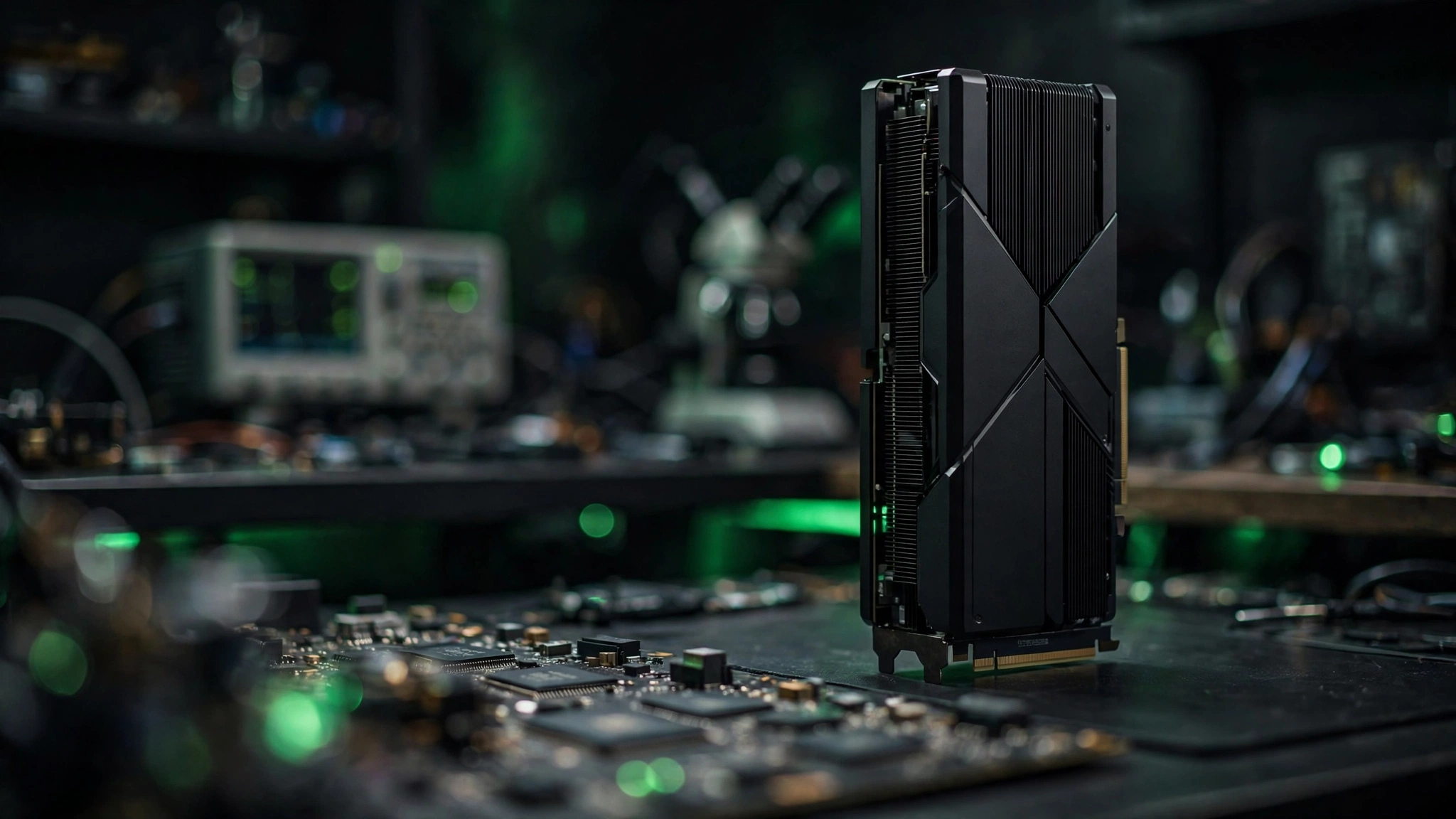
The graphics card many PC gamers were waiting for may never arrive at all. NVIDIA has reportedly cancelled the GeForce RTX 5080 24GB, telling its board partners that the planned January 2027 launch is off, and the reason comes down to memory. Not performance, not demand, but the price and supply of the 3GB GDDR7 modules the card was supposed to use.
We have been tracking this card for weeks, and the story has flipped fast. Only days ago, the worry was that the RTX 5080 24GB might miss its January window because partners had not received the design kits they needed. Now, according to fresh reports out of China, the card is not delayed. It is done. Here is what the reports actually say, what we know for certain, and what it means if you were holding out for a 24GB card.
What the Reports Actually Say
The FPS Review reports that NVIDIA has officially cancelled the GeForce RTX 5080 24GB because it could not secure enough 3GB GDDR7 modules for the card. The report cites Chinese Board Channels sources, via VideoCardz, and says NVIDIA has informed its add-in board partners directly. The plan had been to use the higher capacity modules so the card could keep the same GB203 die and 256-bit memory interface as the current RTX 5080, simply swapping eight 2GB chips for eight 3GB chips.
VideoCardz adds detail that matters. According to its report, NVIDIA told partners the planned release in China will no longer proceed, and no replacement launch date was given. The 3GB GDDR7 chips reportedly cost around three times as much as the 2GB modules used in the current card, which makes the 24GB version hard to price sensibly. Instead, NVIDIA will reportedly keep supplying GPUs paired with 2GB GDDR7 chips, and the RTX 5080 16GB will continue as the top GeForce card in the region.
One important caveat: Notebookcheck, which also covered the Board Channels post, limits the cancellation to China, while VideoCardz frames it as a global cancellation. NVIDIA has not confirmed the card, and it has not confirmed the cancellation either. Treat this as a well sourced report, not an official announcement, and keep that distinction in mind through the rest of this article.
Why 3GB GDDR7 Modules Are the Problem
The RTX 5080 24GB was never meant to be a new GPU. It was a memory upgrade on the same silicon, and that is exactly why the memory market could kill it. The card would have used the same GB203 die and the same 256-bit bus as the RTX 5080 16GB, with denser memory modules doing all the work. When those modules became too expensive and too scarce, the whole product stopped making sense.
Here is the reported comparison between the card you can buy today and the card that was planned:
| Specification | RTX 5080 16GB (current) | RTX 5080 24GB (reported) |
|---|---|---|
| GPU | GB203 | GB203 (same die) |
| Memory bus | 256-bit | 256-bit (same bus) |
| Memory modules | 8 x 2GB GDDR7 | 8 x 3GB GDDR7 |
| Memory capacity | 16GB | 24GB (50 percent more) |
| Status | On sale, continues | Reportedly cancelled |
The memory problem is bigger than one graphics card. The FPS Review notes that memory and storage components are being prioritized for data centers and other enterprise AI needs, which squeezes supply for consumer GPUs. We have seen the same pressure elsewhere: memory prices have stayed high across the market, and memory and SSD prices are staying high for reasons that have nothing to do with gaming. When a 3GB GDDR7 module costs roughly three times what a 2GB module costs, NVIDIA would have to either absorb the cost or sell the card at a price few gamers would accept.
There is also the question of what the card was for. The GB203 die still has performance headroom for 4K gaming, and the FPS Review points out that a 24GB version would have suited it well. A mobile RTX 5090 with 24GB already exists, which shows the configuration is technically possible. The obstacle was never engineering. It was economics.
This Is Not the First Time the Card Has Died
If this cancellation feels familiar, that is because the RTX 5080 24GB has reportedly died before. The FPS Review notes that this is technically the second time the card has been cancelled. The first was when it was believed to be part of the SUPER family of refreshes, alongside the 5070 SUPER and 5070 Ti SUPER, that were expected to launch last spring. Those cards were never mentioned at CES 2026 or anywhere else, and the belief at the time was that they were cancelled for the same reasons: not enough memory inventory, or memory that cost too much to procure.
The timeline of this second attempt tells its own story. In late October, Board Channels suggested NVIDIA was speeding the 24GB card toward a December 2026 or January 2027 launch while winding down the 16GB model. Around the same time, the RTX 5090 and then the RTX 5080 16GB began disappearing from NVIDIA storefronts and retailers, which fed speculation that both cards were being discontinued to clear the way for the 24GB model. Last week, sources said NVIDIA had still not made GPU and memory kits available to partners, which put the January launch in doubt, and we covered that RTX 5080 24GB release delay scare as it developed. Now the same supply chain sources say the launch is off entirely.
That whiplash is worth remembering the next time a launch window gets reported. A card can move from accelerated to cancelled in the space of two weeks when the underlying problem is a component market, not a product decision. NVIDIA never announced the RTX 5080 24GB, so there is nothing official to walk back, and that silence leaves room for the story to change again.
What If the 24GB Card Never Comes?
Here is the speculation, clearly labeled as such. If the reports are right and the RTX 5080 24GB is truly gone, the RTX 5080 16GB stays as NVIDIA’s second tier card for the rest of this generation, with the RTX 5090 above it. That is a strange place for the lineup to sit, because the 16GB card was already the subject of VRAM complaints from the day it launched, and the 24GB version was the obvious fix.
What if NVIDIA revisits the idea later, once 3GB GDDR7 supply improves or prices fall? The reports give no replacement date, and a CES 2027 reveal now looks unlikely, but nothing in the reporting rules out a revival. Memory markets move in cycles, and a card that is uneconomical today can become viable in six months. On the other hand, if memory stays tight through 2027, NVIDIA may simply skip the 24GB refresh and hold the configuration for the next generation.
What if the cancellation is China only, as Notebookcheck suggests, and a 24GB card still appears in other regions? That would be an odd split, and VideoCardz reads the same Board Channels post as a wider cancellation. Until NVIDIA says something, or until a board partner leaks a different plan, the safest reading is that the January 2027 launch is off and no new date exists.
What This Means for PC Gamers
For anyone waiting to buy, the practical advice is simple, and it has not changed much. If you need a high end card now, the RTX 5080 16GB remains the card to buy, and the RTX 5090 price hike makes the step up to the flagship painful. Waiting for a 24GB RTX 5080 no longer looks like a plan. It looks like a gamble on a report being wrong, and the reporting has moved in one direction for two weeks.
For 4K gaming, 16GB of VRAM remains workable today, but it is the ceiling that worries people, and this cancellation removes the obvious upgrade path inside the 5080 tier. Gamers who play at 4K with heavy textures, or who run local AI models alongside games, will feel the squeeze first. Everyone else can keep playing and stop refreshing the rumor cycle.
The bigger lesson is about the memory market itself. Graphics cards are now competing with data centers for the same components, and that competition is deciding which products get made. A card that made perfect sense on paper died because its memory chips cost three times too much. Until that changes, expect more of the same: fewer memory upgrades, higher prices, and launch plans that can vanish in a fortnight.
We will keep watching this one. If NVIDIA confirms the cancellation, or if a board partner contradicts it, we will update this story. For now, the RTX 5080 24GB joins the SUPER refreshes in the pile of cards that were real enough to report and never real enough to buy.
Sources: The FPS Review, VideoCardz, Notebookcheck. All cancellation claims in this article are reports, not official NVIDIA statements.